
Gardening Services in Crystal Palace
A responsive plan for outdoor areas that can experience different light, wind and moisture even within the same garden.
- Exposed and sheltered zones assessed independently
- Plant and lawn tasks timed from current condition
- Access, slopes and resulting material planned together
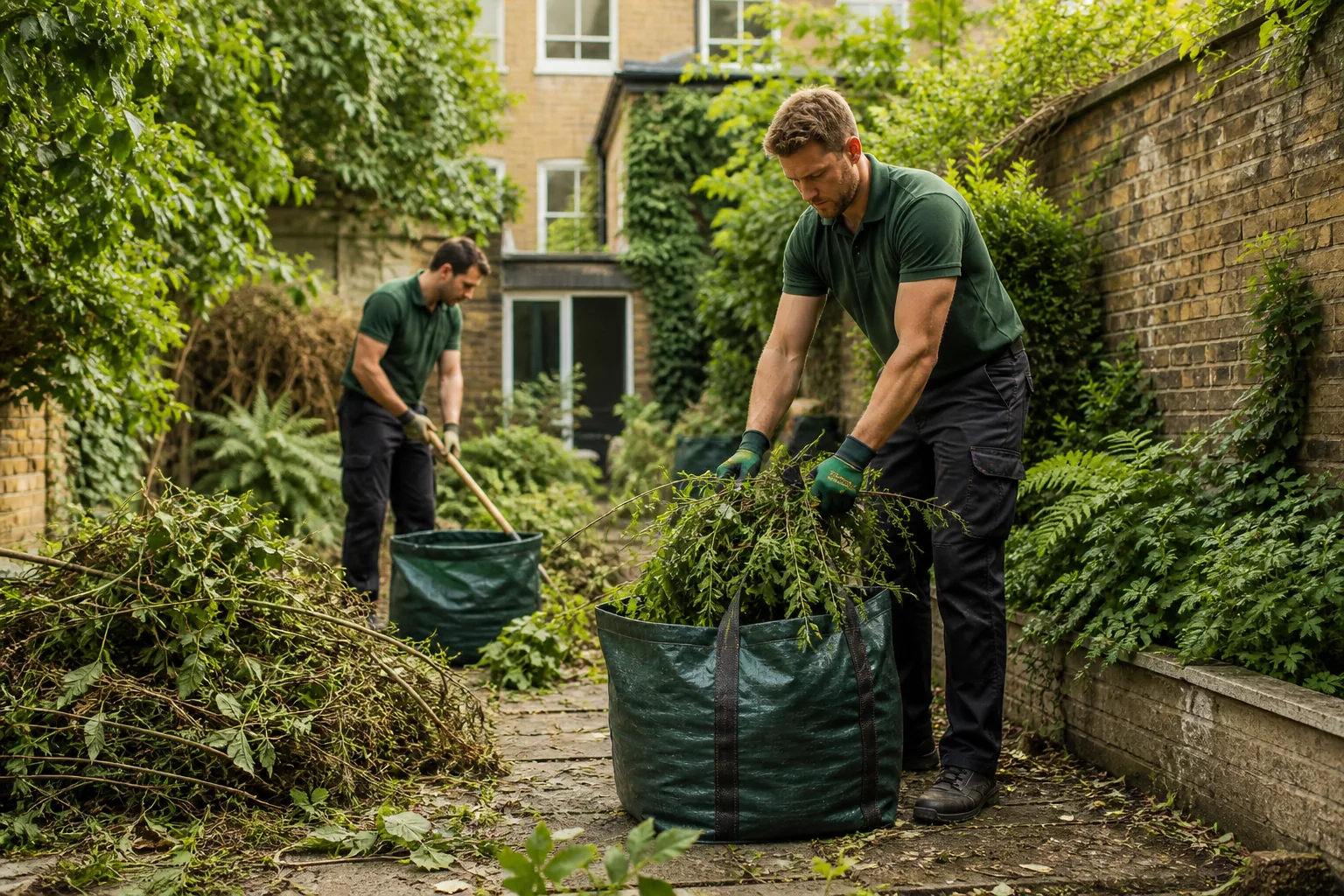
Map exposure before choosing the intervention
A Crystal Palace garden can contain contrasting conditions over a modest distance. An open lawn may dry quickly, a bed below a wall may retain moisture, and planting beside a boundary can experience shelter that changes its growth. A useful enquiry should not assume that one photograph or one treatment represents the complete site. Wide views from opposing positions show exposure, slope and the relationship between lawn, beds, paths and enclosing growth. Close photographs can record worn turf, damp soil, weed density, woody stems and keeper plants. The access route from street to garden also needs evidence, including gates, steps, turns, internal passages and surfaces that require protection. Freddie’s Gardening can then consider whether equipment, work order and carrying arrangements suit the real conditions rather than an imagined level, uniformly lit plot.
The customer can divide the garden into exposed, sheltered and transitional zones, then give each an observable desired result. The exposed lawn might need a suitable cut and readable edge; a sheltered bed may need careful weed removal around marked plants; a transition path may need growth reduced to restore movement. One result should lead the visit, with other areas ranked behind it. Keeper plants need explicit identification because growth that looks excessive may provide useful shelter, privacy, flower or structure. Unknown specimens can remain in review. Uniform reduction is not the default, and pruning timing depends on the plant and condition. Significant trees, unstable walls, new levels, drainage alterations and material construction remain separate projects. Microclimate awareness informs ordinary care but does not authorise structural diagnosis or unsupported promises about why a site behaves as it does.
Gradient and access influence delivery as much as exposure. Tools and protective materials may need to enter before loose growth narrows steps or paths. Work can begin at a remote or upper section and move toward the exit where safe footing, approved priorities and plant timing allow. Cut material requires a declared destination: removal, a suitable on-site arrangement or a volume limit. Wet growth, thorny stems and woody reductions can be difficult to carry, particularly across steps or vulnerable turf. The quotation should include that journey instead of treating waste as an invisible consequence. Present ground conditions may also change the sequence. Saturated areas can be damaged by traffic, while dry or stressed grass may not benefit from an aggressive cut. Compatible work in another approved zone can continue, with the deferral and reason recorded at handover.
Recurring Crystal Palace care is most useful when it compares zones over time. Stable information about access, valued plants and enduring constraints can remain, but current photographs should replace old seasonal assumptions. Each visit checks urgent growth and condition, protects one lead outcome, then rotates secondary areas. A sheltered bed may lead during one period; path clearance or exposed lawn presentation may lead later. After turfing, planting, fencing or landscaping changes shelter, drainage or use, the baseline should be refreshed and obsolete instructions removed. Frequency depends on observed growth, household involvement and desired presentation rather than a fixed interval applied without evidence. Completion can be reviewed through an attended walkthrough or agreed images for an absent owner, distinguishing completed zones, weather-led deferrals and discoveries needing separate expertise.
Gardening services in Crystal Palace
Choose focused help or combine compatible priorities in a clearly scoped visit.
Garden Maintenance
Crystal Palace lawn, bed, edge and selected plant work adapted to contrasting exposure zones and one current lead outcome.
Explore garden maintenance →Landscaping
Landscape projects considered through the future activity, measured arrangement, ground preparation, water movement, delivery constraints, build stages and viable aftercare.
Explore landscaping →Turfing
Replacement turf assessed for soil preparation, levels, drainage, exposure, delivery route, watering and establishment responsibility.
Explore turfing →Fence Installation
Fence work reviewed for boundary understanding, dimensions, ground, neighbouring conditions, wind exposure, materials and removal.
Explore fence installation →Garden Clearance
Dense zones reduced to an agreed baseline with keepers identified, slopes and routes protected and material destination stated.
Explore garden clearance →Lawn Care
Grass care connects visible condition with exposure, use, moisture, compaction, soil and the presentation the customer wants.
Explore lawn care →Patio Cleaning
Exterior surface cleaning scoped by material, stability, runoff, drainage, nearby planting, gradient and desired endpoint.
Explore patio cleaning →Tree Surgery
Substantial tree enquiries separated for suitable review of condition, scale, permissions, reach, sloping access and material handling.
Explore tree surgery →Gutter Cleaning
Roofline drainage receives its own scope based on elevations, height, safe setup, ground condition, obstacles and access.
Explore gutter cleaning →Commercial Grounds Maintenance
Suitable managed sites use named exposure zones, visit windows, presentation standards, contacts and concise completion evidence.
Explore commercial grounds maintenance →Window Cleaning
Exterior glazing is quoted by count, elevations, workable reach, setup ground, access and frequency, with planting protected.
Explore window cleaning →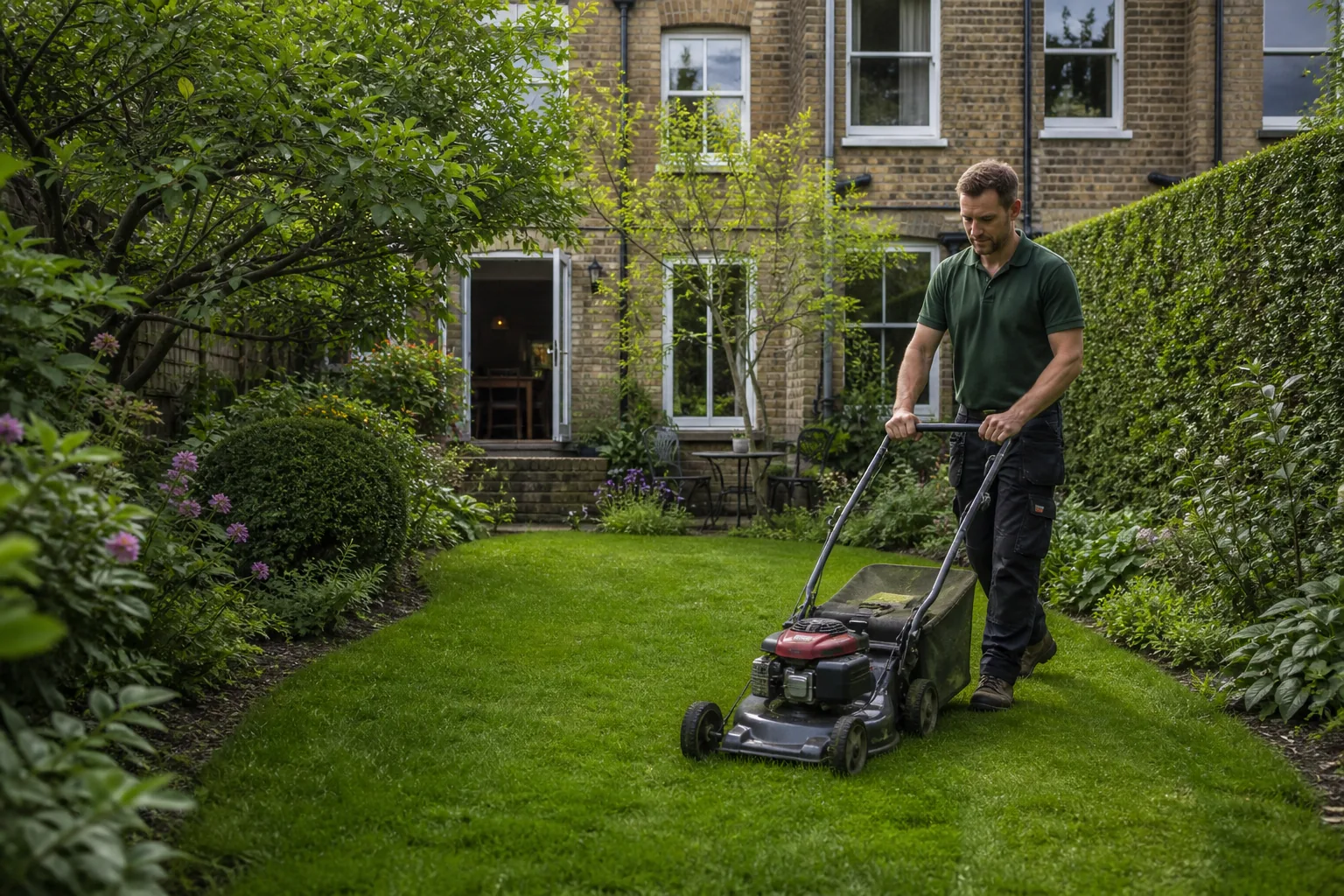
Map exposure before choosing the intervention
The same operation can have different value in two nearby areas. A Crystal Palace lawn in open sun may show stress while a sheltered edge remains vigorous; one bed may stay damp while another dries. Customers can annotate photographs with observations rather than diagnoses: sunny for most of the day, shaded by the wall, slow to dry, exposed to wind, or heavily used. The gardener can relate these observations to current condition and the agreed outcome. Recommendations remain proportionate because photographs cannot prove every soil or drainage cause. If a structural or material change is proposed, it receives separate assessment. Mapping exposure is therefore a decision aid, not a guarantee. It helps avoid applying one uniform checklist to zones that visibly respond in different ways.
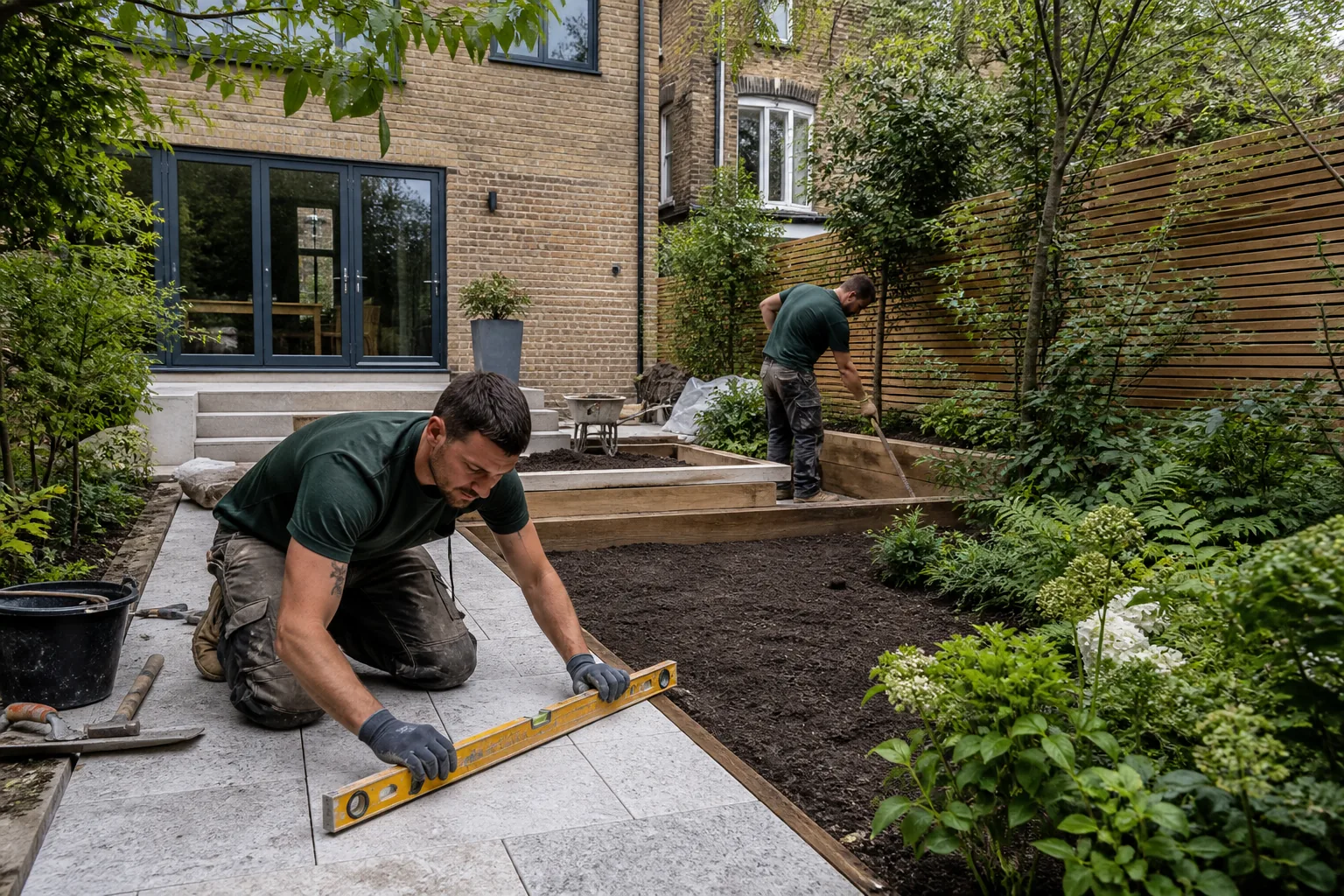
Preserve shelter while recovering movement
Boundary shrubs and climbers can protect a seating area or bed, yet the same growth may narrow steps and paths. The brief should distinguish the route width that needs to return from the screening that should remain. In Crystal Palace, marked photographs can show retain, reduce and review sections. Selective cutting then supports movement without assuming every outer plant needs one height. Species, flowering, condition, safe reach, ownership and neighbouring access still matter. Significant tree work or uncertain boundary intervention leaves routine maintenance for appropriate review. This balance is easier to inspect at handover: the path has an observable endpoint, while the retained enclosure reflects an explicit customer decision rather than an accidental omission.

Use recurring visits to test the care rhythm
A care interval should be treated as a starting recommendation. Crystal Palace visits can record which zones changed quickly, which remained controlled and which were affected by current weather or household use. The next lead outcome follows that evidence. Secondary bed, lawn and plant tasks rotate rather than becoming implied guarantees on every date. When new planting establishes, turf matures or boundary work alters shelter, reference photographs and priorities are reset. This avoids carrying obsolete expectations into a changed garden. The result is continuity with room for judgement: the customer can see why emphasis moved, what standard remains important and when a one-off project is more appropriate than repeatedly asking maintenance to compensate for a material problem.
Gardening prices in Crystal Palace
A Crystal Palace quotation reflects the approved outcomes, present condition, exposure zones, gradient, access, density, equipment, carrying route, waste arrangement and requested finish. Photographs reduce uncertainty but do not establish every concealed soil, root or structural condition. Assumptions and optional work remain explicit.
Published starting guides are lawn care from £25, hedge trimming from £35, small garden clearance from £50, and weeding or plant care from £30. These figures are not fixed totals. Landscaping, turfing, fence installation, tree work and other projects are quoted individually after preparation, dimensions, materials, access and intended use are reviewed.
| Service | Published from |
|---|---|
| Lawn care | £25 |
| Hedge trimming | £35 |
| Small garden clearance | £50 |
| Weeding or plant care | £30 |
Care shaped around Crystal Palace properties
Contrasting zones are made visible
Exposure, shelter, moisture observations and use help Crystal Palace care respond to present differences without asserting unsupported causes.
Movement and enclosure are balanced
Route endpoints and retained screening are recorded separately, supporting selective reduction instead of uniform perimeter cutting.
Condition can change the sequence
Ground, turf and plant state are checked before intervention, allowing compatible authorised work to continue when one task should wait.
Frequency remains evidence-led
Recurring priorities respond to observed growth, season and completed projects rather than repeating an identical timetable without review.
Frequently asked questions
What photographs help explain a Crystal Palace garden?
Take wide views in opposing directions and close images of each contrasting zone. Show slope, steps, exposed lawn, sheltered planting, routes, boundaries, current damage, keeper plants and the complete access path from the street.
What published starting prices are stated?
Lawn care starts from £25, hedge trimming from £35, small garden clearance from £50, and weeding or plant care from £30. Final price follows the agreed outcome, condition, access, handling, waste and finish.
Will exposed and sheltered grass be treated identically?
Not automatically. Current wear, moisture, shade, compaction and stress should inform recommendations. Describe the desired presentation and use for each area; suitable work can differ without promising a diagnosis from photographs alone.
Can path growth be reduced while keeping privacy?
Yes. Mark the required route width and screening sections to retain. Selective reduction depends on plant type, timing, safe reach, boundary understanding and access. Uncertain or specialist work should remain separate for appropriate review.
Is green-waste removal included automatically?
No. Agree removal, a suitable on-site destination or a stated volume limit. Wet, thorny or woody growth and movement across slopes, steps or narrow routes can materially affect the quotation.
What happens if the ground is too wet for planned lawn work?
The gardener can avoid traffic or cutting likely to cause damage and continue another compatible authorised task. Handover records the condition-led deferral, preserving the lawn priority for a more suitable visit.
Can maintenance solve a persistent drainage problem?
Routine care should not promise a structural or ground diagnosis. Record observed symptoms and direct material drainage, level or surface changes to separate assessment. Independent gardening may continue where it remains suitable.
How should recurring priorities change after new planting?
Create a fresh baseline, mark new keepers and record establishment responsibilities. Remove superseded instructions, observe how zones respond, and choose each lead outcome from current condition rather than the former planting arrangement.
Tell us what needs to change
Share photographs, access details and the finish you value. We will scope suitable work clearly.
Gardening Services Across Crystal Palace
Crystal Palace is connected with nearby Anerley and Penge, so customers close to the local boundary can compare the relevant area coverage before enquiring.
Availability is checked for the property postcode, requested service and access. The interactive map is centred on Crystal Palace and loads lazily to keep the main page responsive. See the complete scope on our London gardening services page.